For generations, Scalextric has been the go-to name in slot car racing, bringing fast-paced track action to living rooms and garages around the world. But if you're new to the hobby—or looking to upgrade your setup—you’ve likely come across two terms that might leave you scratching your head: Analog and Digital. So what exactly is the difference between them, and which one is right for you? Let’s break it down. For more information on scalextric mini racing, visit this website.
The Basics: What Is Scalextric?
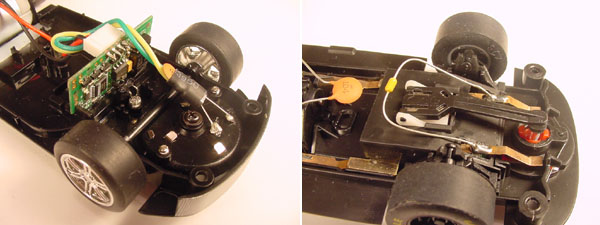
Scalextric is a slot car racing system where miniature cars race around a specially designed track. Each car is powered by electricity through metal rails embedded in the track, and players control the speed using a hand controller. The magic happens with the cars hugging the track thanks to magnets, precision engineering, and gravity-defying cornering.
What Is Analog Scalextric?
Analog Scalextric is the traditional version of the game—the one many remember from their childhoods.
Key Features:
-
One car per lane: Each lane is controlled by a separate power supply and hand controller. You can only run one car per lane.
-
Simple controls: You control just the speed, making it easy to pick up and play.
-
Straightforward setup: Analog sets are plug-and-play, making them ideal for beginners or younger racers.
Pros:
-
Easier for casual play or younger racers
-
Generally more affordable
-
Lots of classic cars and track pieces available
-
Compatible with most older Scalextric sets
Cons:
-
Limited to 2 players (unless using additional setups)
-
No lane changing or overtaking unless you build multiple lanes
-
Less advanced features
What Is Digital Scalextric?
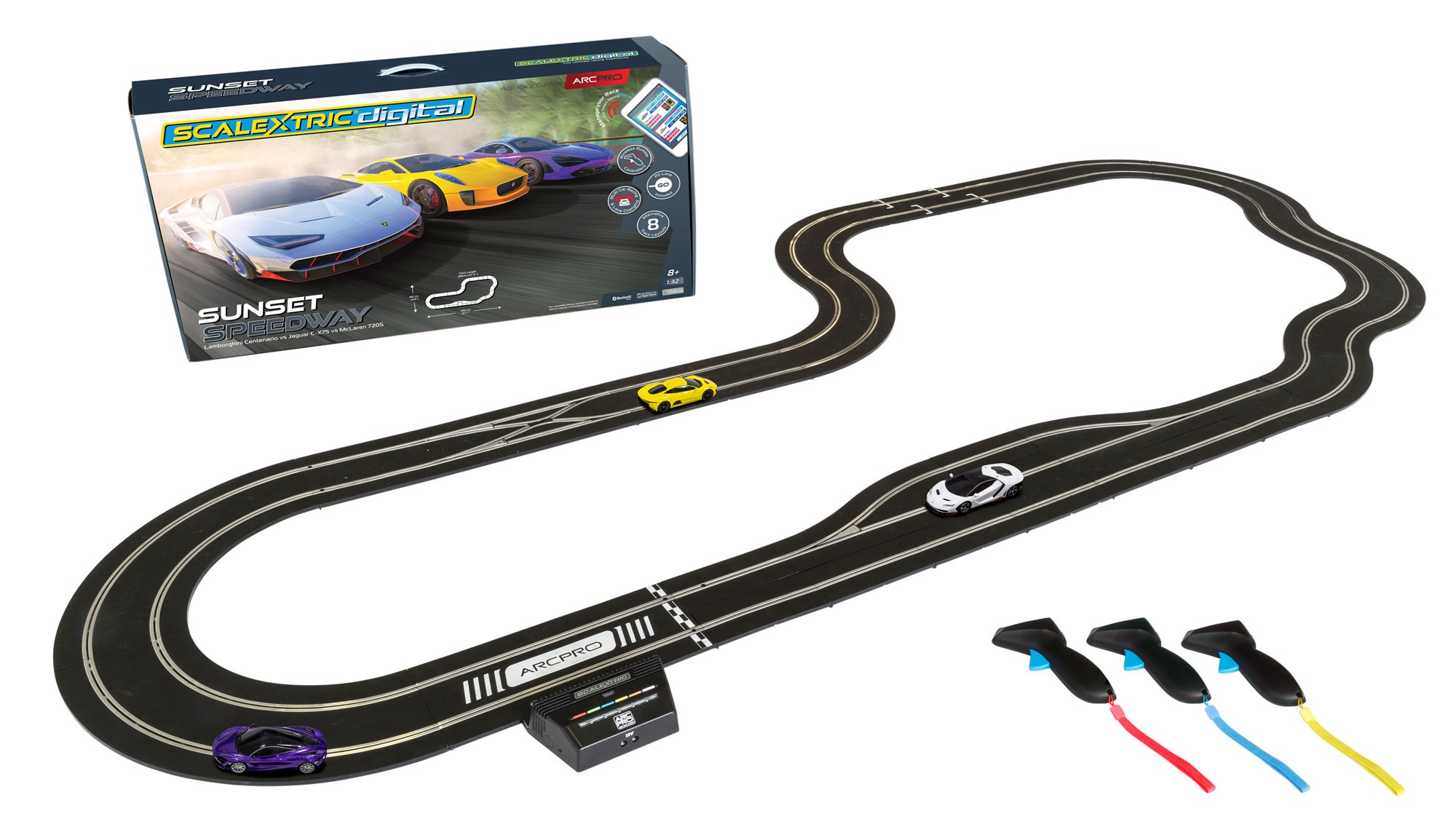
Digital Scalextric adds a whole new dimension to the racing experience by using digital signals to control the cars.
Key Features:
-
Multiple cars per lane: Up to 6 cars can run on a 2-lane track simultaneously.
-
Lane switching: Cars can change lanes with the push of a button, allowing for overtaking and blocking—just like real racing!
-
Advanced controls: Drivers can manage pit stops, fuel loads, and more with certain systems.
-
Race management systems: Includes lap counting, position tracking, and race modes.
Pros:
-
More realistic racing experience
-
Supports up to 6 racers at once
-
Strategic gameplay with overtaking and pit stops
-
Great for competitive players and racing enthusiasts
Cons:
-
Higher initial cost
-
Slightly steeper learning curve
-
Digital cars and controllers may not be compatible with analog systems
Compatibility Note
Some Scalextric track pieces work with both analog and digital systems, but digital cars won't work on an analog system unless they're converted, and vice versa. Always double-check your components before mixing systems.
So Which One Should You Choose?
It really depends on what kind of experience you're after:
-
Choose Analog if you’re looking for a simple, affordable, and nostalgic racing experience that’s easy to set up and play.
-
Choose Digital if you want a more immersive, competitive, and realistic experience with the ability to race multiple cars on fewer lanes.
If you’re just starting out, analog is a great entry point. But if you're a serious hobbyist or racing fan looking for a deeper, more dynamic experience, digital Scalextric is the way to go.
Final Thoughts
Whether you go analog or digital, Scalextric continues to offer endless fun, creativity, and the thrill of high-speed racing right at home. The key is choosing the setup that matches your play style, budget, and ambition. Happy racing!
