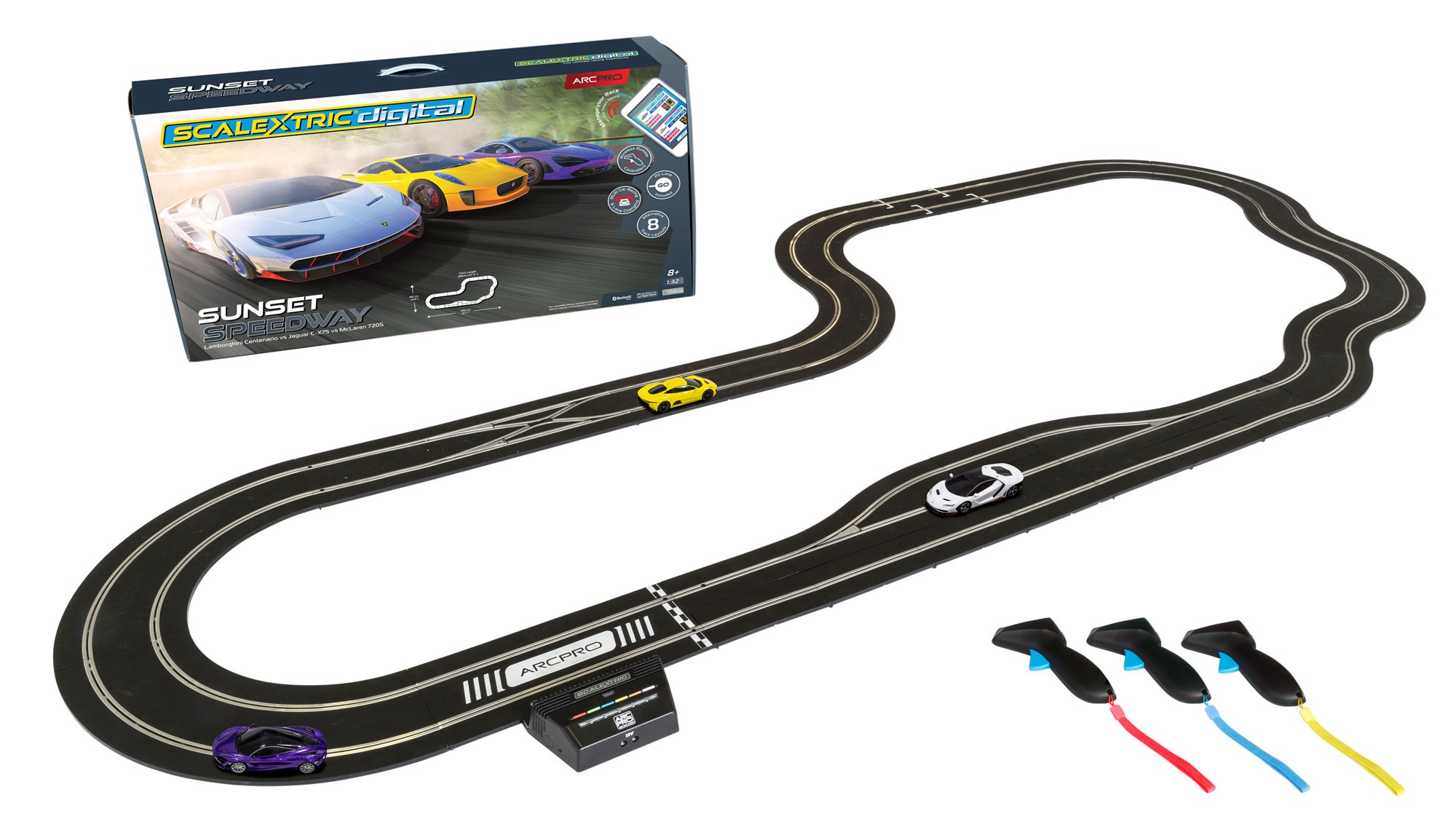
Monday, February 9, 2026

From Casual to Competitive: How to Level Up Your Mini Racing Game

 Mini racing games have captivated gamers with their fun, fast-paced action, colorful tracks, and accessible mechanics. Whether you're a casual player enjoying the ride or someone with an itch to compete at a higher level, these games have something for everyone. However, once you master the basics and want to move from casual racing to competitive play, the transition can feel a bit daunting. But with the right mindset and approach, you can level up your mini racing game skills and take your gameplay to the next tier.

1. Master the Basics: Perfect Your Handling

Before diving into the competitive scene, ensure you have a solid grasp of the basic mechanics. This includes controlling your vehicle, understanding how to drift around corners, and the art of accelerating without losing speed. Spend time practicing the following:

  • Handling and Steering: Fine-tune your steering inputs to maintain control around tight corners. Mini racing games often reward precision, so understanding when to brake or drift through turns is essential.

  • Acceleration Control: Knowing when to accelerate and when to hold back is crucial. Accelerating too early out of corners can cause your car to spin out, while excessive braking will slow you down unnecessarily.

  • Track Memorization: Get to know the tracks. In competitive play, memory is key. Knowing where the sharp turns are, where boosts are located, and where to expect obstacles allows you to preemptively plan your moves.

2. Improve Your Reflexes and Timing

Competitive racing often comes down to reaction time and how quickly you can make decisions. To refine these skills:

  • Practice Reaction Time: Use time trials or speed challenges to improve your response time to sudden changes in the track or obstacles.

  • Perfect Your Boost Timing: Many mini racing games feature speed boosts or items that give you an advantage. Mastering the timing of these boosts can give you a significant edge over your competition.

  • Adjust for AI Patterns: In some games, AI drivers follow predictable patterns. Learning these can help you make smarter decisions and avoid unnecessary crashes.


3. Understand the Power-ups and Items

Power-ups can be a game-changer in mini racing games. Items like speed boosts, traps, and shields are often crucial to getting ahead in a race. However, knowing when and how to use them is essential for competitive success. Here's what to keep in mind:

  • Boosts: Use boosts strategically to gain positions at key moments, such as after completing a sharp turn or when you're about to get overtaken.

  • Defensive Items: If the game includes shields or other defensive items, save them for when you’re in danger of being hit by an opponent's attack.

  • Offensive Power-ups: Items like missiles or traps can help you take out competitors ahead of you. Time these items to catch your opponents off guard, especially on narrow tracks where they’re more vulnerable.

4. Adjust Your Strategy for Different Game Modes

Many mini racing games come with various modes, ranging from time trials to multiplayer races. As you progress toward more competitive play, adapting your strategy to the mode you're playing is crucial.

  • Time Trials: Here, your main goal is speed and precision. Aim to minimize mistakes, find the fastest racing lines, and master your car's handling on each track. There’s no one to compete with except yourself, so the focus is entirely on optimizing your performance.

  • Multiplayer Races: When racing against human opponents, things get more dynamic. Unlike AI, human players can be unpredictable. Focus on maintaining your position while also watching for opportunities to pass other players.

  • Tournaments or Ranked Play: In competitive tournaments, every second counts, and the stakes are higher. In these settings, fine-tuning every aspect of your gameplay becomes essential. You may want to focus on a specific car with handling traits that match your playstyle or a car that excels in off-road sections if that's your track of choice.

5. Play Against Other Competitive Players

The key to becoming a competitive racer is to regularly challenge yourself against others. Whether you're playing in online multiplayer modes or competing in tournaments, exposure to higher-level players will force you to improve.

  • Analyze the Competition: Pay attention to how top players race. What strategies do they use? How do they handle tight corners? Learning from others is one of the fastest ways to level up your skills.

  • Join Online Communities: Many competitive games have communities where players share strategies, tips, and tricks. Participating in these forums can give you new insights that you might not have thought of on your own.


6. Experiment with Car Customization

Many mini racing games offer customization options, allowing you to adjust the appearance and stats of your vehicles. While looks are important for some, performance enhancements are crucial for competitive racing. Focus on customizing your car for the following:

  • Speed vs. Handling: Different cars excel in different areas. Some may be fast but harder to control, while others may have excellent handling but lack speed. Choose a car that complements your racing style and the types of tracks you race on.

  • Car Loadouts: If the game allows loadouts for specific items or abilities, experiment with combinations that suit your racing approach. A good mix of speed boosts and defensive items may be just what you need to outpace your rivals.

7. Stay Calm Under Pressure

Competitive racing can be intense, and it’s easy to get rattled when the race is close. One of the most critical skills in any competitive setting is staying calm under pressure. Don’t let a mistake derail your entire race. Stay focused, learn from your errors, and keep pushing forward.

  • Maintain Focus: Concentration is key. Don't get distracted by what’s happening around you. Focus on the track, your vehicle, and your race strategy.

  • Don’t Panic: If you find yourself behind, remember that it's not over. Keep your composure, and look for opportunities to recover. A single mistake from your opponents could allow you to catch up.
8. Keep Practicing and Stay Patient

Like any skill, improving your competitive racing abilities requires time and effort. It’s easy to get frustrated if you don’t see immediate results, but consistent practice will eventually pay off.

  • Track Progress: Regularly revisit the tracks you’re struggling with. Slowly improve your lap times, refine your techniques, and, over time, you’ll notice improvements.

  • Set Goals: Setting incremental goals, such as achieving a personal best or making it to a higher tier in online rankings, helps keep you motivated as you work toward mastery.

Conclusion

Transitioning from casual play to competitive racing in mini racing games is all about refining your skills, learning from others, and practicing regularly. By mastering the basics, adjusting your strategies for different modes, and understanding the nuances of the tracks and vehicles, you can transform from a casual racer into a competitive contender. Stay patient, keep refining your skills, and soon you'll be crossing the finish line first more often than not.

Tuesday, December 9, 2025

Mini Racing for Families: Why It’s the Perfect Hobby for All Ages

 In a world full of screens and fast-paced distractions, finding a hobby that brings the whole family together can feel like a challenge. But if you’re looking for something exciting, hands-on, and totally timeless, look no further than mini racing. Whether it’s Scalextric slot cars or compact RC tracks, mini racing is more than just a pastime—it’s an experience that bridges generations, encourages creativity, and fuels friendly competition. Click here to know more. 

Here’s why mini racing is the perfect hobby for families of all ages.

1. It’s Easy to Learn, Fun to Master

Mini racing is incredibly accessible. Even young kids can learn to control a slot car within minutes. As skills improve, older kids and adults can dive into advanced tuning, custom track building, or digital racing systems. The learning curve is wide enough to grow with you, but short enough to enjoy right away.

  • Beginners get instant fun.

  • Experienced racers find endless ways to improve.

It’s the kind of hobby that welcomes everyone to the starting line.

2. Builds Real-World Skills (While Having Fun)

Mini racing offers a ton of hidden educational value:

  • Hand-eye coordination: Mastering tight corners and throttle control sharpens motor skills.

  • STEM learning: Tuning motors, understanding gear ratios, and even designing circuits helps kids (and adults!) engage with physics and engineering.

  • Problem-solving: Adjusting car setups or fixing track issues teaches patience and practical thinking.

  • Creativity: Building custom scenery or designing DIY tracks unleashes imagination.

It’s like sneaking veggies into dinner—but with racetracks and cheering.

3. Quality Time Without Screens

Mini racing encourages real interaction—no headphones, no apps, no distractions.

Whether it’s head-to-head competition or working together on a DIY track project, racing brings families together in a hands-on, screen-free way. It’s the perfect bonding activity for game nights, rainy weekends, or holiday traditions.

4. Customizable for Any Space or Budget

One of the best parts about mini racing is its flexibility. You don’t need a dedicated race room or huge budget to get started.

  • Small living room? Compact Scalextric sets fit on a coffee table.

  • Tight budget? Start with a basic analog set and build gradually.

  • Want to go big? Create a modular track that grows with time.

Whether it’s temporary, permanent, big, or small—there’s a setup for every home and family.

5. Everyone Can Join In

Mini racing is inclusive by design. Young racers can compete with parents, grandparents, siblings, and friends—regardless of age or skill level.

You can:

  • Race side-by-side

  • Run time trials

  • Form racing teams

  • Build and decorate your cars together

Everyone has a role to play, from pit crew to pace car driver to track designer.

6. It’s a Hobby That Grows With You

Mini racing isn’t just a phase—it can grow with your family.

As kids get older, they might get into car modding, digital racing, or track design. Adults may rediscover a childhood love for motorsport. Families can take the hobby on the road by visiting clubs or participating in local racing events.

What starts as weekend fun could become a full-blown shared passion.

7. It Sparks Friendly Competition

Racing naturally brings out a little friendly rivalry—and that’s a good thing!

  • Keep score over race nights

  • Create family championships

  • Award silly prizes or trophies

It adds excitement and encourages everyone to improve their driving skills. Plus, it’s always fun to see who crashes first or pulls off the perfect overtake.

8. Unplug. Build. Race. Repeat.

In a digital age, few hobbies offer the same mix of creativity, tactile satisfaction, and real connection that mini racing provides.

You’ll build something together. You’ll laugh through the chaos. And most importantly, you’ll make memories that are a little louder, a little faster, and a lot more fun.

Final Thoughts: Start Your Engines, Together

Mini racing isn’t just for collectors or hardcore hobbyists—it’s for anyone who wants to connect, play, and learn with the people they love. So whether it’s a rainy Saturday or a holiday tradition in the making, grab a controller, line up your cars, and enjoy the thrill of the track—family style.

Because in mini racing, everyone’s invited, and every lap is time well spent. 🏁

Thursday, October 9, 2025

How to Maintain and Tune Your Scalextric Cars for Peak Performance

 Scalextric cars are fast, fun, and surprisingly intricate. While they can run right out of the box, a little care and tuning can dramatically improve their performance, longevity, and overall racing experience. Whether you're chasing lap records or just want smoother races with fewer crashes, proper maintenance and tuning are key. Click here to know more.

Here’s how to keep your Scalextric cars running like a dream.


1. Keep It Clean: Dust is the Enemy

Dust and dirt are major performance killers.

  • Wipe your car down regularly with a soft cloth, especially after a long race session.

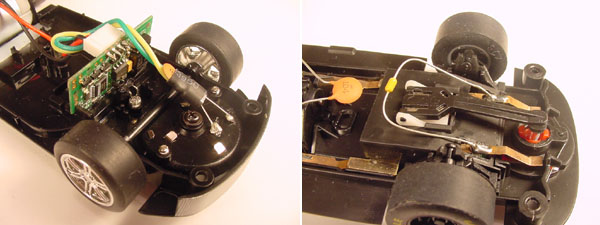
  • Use a soft brush or compressed air to remove debris from tight spots like axles, motor housing, and chassis.

  • Avoid letting the car sit on the track when not in use—it can collect dust from both the surface and the air.

A clean car is a fast car.

2. Check the Braids

The braid contacts (those little copper wires under the front of the car) are crucial for power delivery.

  • Make sure they’re flat, evenly spread, and making solid contact with the track rails.

  • If they’re frayed, replace or trim them with scissors.

  • You can gently bend or fluff them to improve contact and reduce arcing.

Poor braid contact = sluggish acceleration and random power loss.

3. Lubricate the Right Parts (But Not Too Much)

Friction slows your car down, and a little lube in the right places makes a big difference.

  • Use a plastic-safe light oil (like hobby oil or sewing machine oil).

  • Apply tiny drops to:

    • Front and rear axle points

    • Motor bearings

    • Gear mesh (with a plastic-compatible grease)

Never over-oil. Excess lube attracts dust and gums up the works.

4. Tune Your Tires

Tires are your connection to the track—good grip means better handling and acceleration.

  • Clean tires regularly with rubbing alcohol and a lint-free cloth.

  • Consider light sanding to remove glaze and improve grip.

  • Upgrade to softer compound tires for better traction (especially for racing).

  • Replace worn tires—they lose grip and cause tail-outs or fishtailing.

Some racers even use tape rollers or tire truing tools for a perfectly flat tire surface.

5. Balance and Weight Distribution

A car that’s too light or too heavy in the wrong place can cause instability.

  • Use lead tape or small adhesive weights to fine-tune the balance.

  • Aim for stability in corners without sacrificing speed on the straights.

  • Test weight placement by observing how the car behaves in curves: if it tips or drifts too much, adjust accordingly.

Pro tip: Try to keep weight low and centered for the best results.

6. Gear and Motor Health

Your motor and gears are the heart of your car’s speed and torque.

  • Check the gear mesh—too tight and it will slow the car; too loose and it will strip the teeth.

  • Clean the gear area to avoid buildup of dust or old grease.

  • If you’re getting serious, consider motor upgrades or rewiring for specific track needs (straight-line speed vs. corner control).

Make sure all moving parts are aligned and not wobbling or binding.

7. Check for Loose Parts

Loose body shells, axles, or screws can impact performance.

  • Tighten body screws just enough—too tight and you’ll lose chassis flexibility (called "body float").

  • Inspect axles to make sure they spin freely and aren’t binding.

  • Ensure the guide flag (the bit that goes into the slot) is secure and swivels smoothly.

A well-assembled car is more predictable on the track.

8. Digital Tuning (If Applicable)

If you’re running digital Scalextric, there are a few extra tweaks to consider:

  • Keep the digital chip dust-free and correctly seated.

  • Test lane change functions to ensure responsive controls.

  • Adjust throttle sensitivity if your controller allows—smooth power makes a big difference in racing.

Digital systems are powerful—but they need clean connections and a reliable chip.

9. Practice and Tweak

No two cars perform exactly alike, and every track has its quirks.

  • Test different setups on your own layout.

  • Adjust tires, weights, and braid positions one at a time to see how each tweak changes performance.

  • Record lap times or use timing apps to measure your improvements.

Racing fast isn’t just about raw power—it’s about learning what works best for your car and your track.

Final Lap: Love Your Car, and It’ll Love You Back

A well-maintained Scalextric car isn’t just faster—it’s more fun to drive. With consistent tuning and basic upkeep, even older or budget cars can become reliable racers. Plus, the time you spend under the hood deepens your connection to the hobby and makes each victory that much sweeter.

So grab your tools, pop open that pit garage, and give your car the TLC it deserves. Fast laps and tight turns await. 🏁

Saturday, August 9, 2025

Mini Racing on a Budget: How to Get Started Without Breaking the Bank

 Mini racing is thrilling, addictive, and surprisingly accessible—even if you're working with a tight budget. Whether you're diving into slot car racing with Scalextric or experimenting with other forms of mini motorsport like RC or kart-style setups, the good news is: you don’t need to spend a fortune to get started.

Here’s a guide to help you enter the world of mini racing without burning through your wallet—because fun should never be expensive.

1. Start Simple: Don’t Go Full Pro on Day One

It's tempting to buy the biggest, flashiest set with all the bells and whistles. But for beginners, simpler is smarter.

  • Begin with a basic starter set.
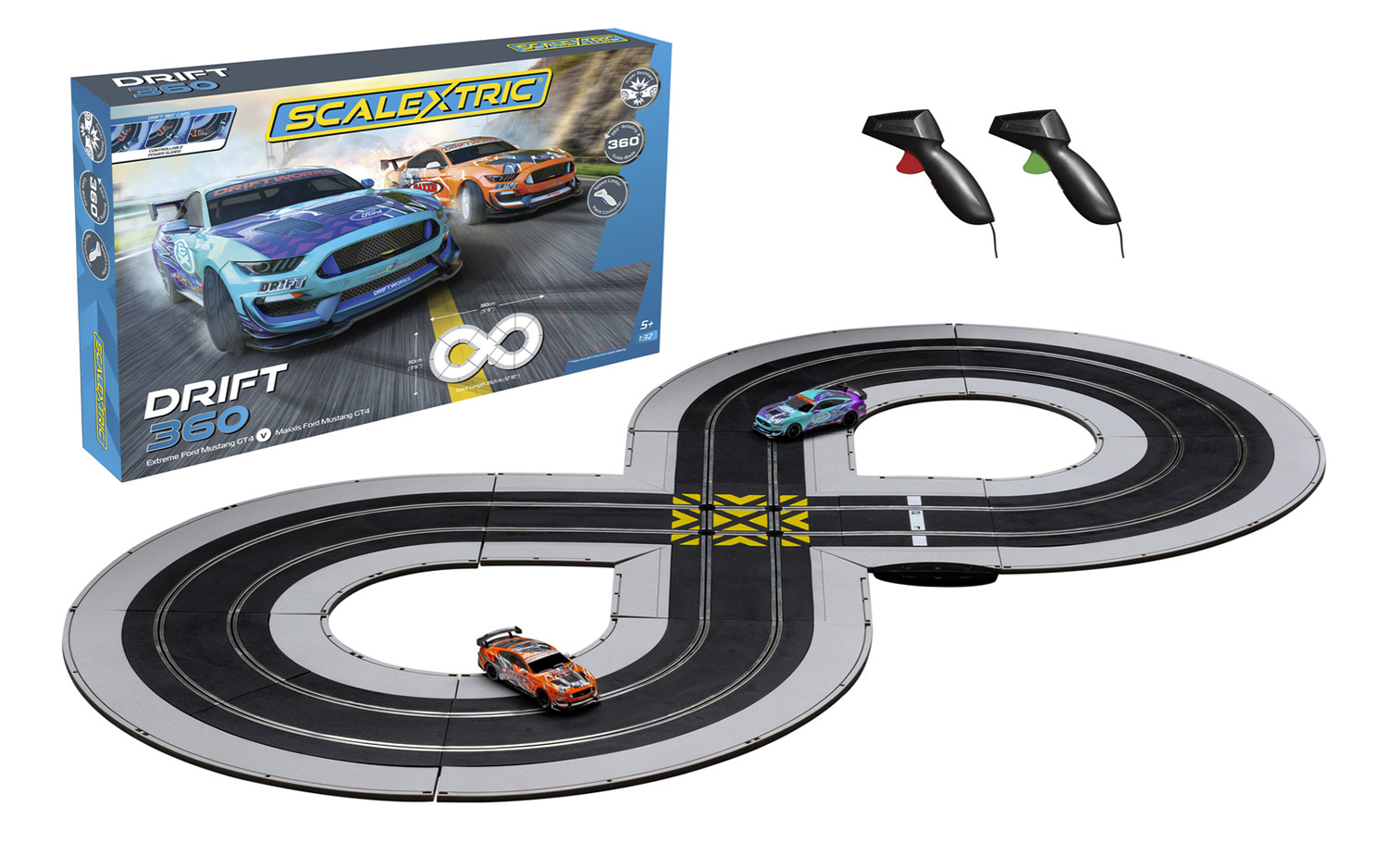
    Brands like Scalextric offer entry-level kits that include two cars, controllers, and a simple track layout. These sets are often sold at lower prices and give you everything you need to start racing.

  • Look for analog sets.
    Digital systems are great, but they cost more. Analog is cheaper and easier to learn on.

2. Buy Pre-Owned or Refurbished Gear

There’s a thriving secondhand market for mini racing gear, and it’s full of gems.

  • Check online marketplaces: eBay, Facebook Marketplace, and local classified apps are gold mines for used Scalextric sets, cars, and track pieces.

  • Look for deals at garage sales and flea markets.
    You might score an entire set for the price of a single new car.

  • Join mini racing forums or groups.
    Enthusiasts often sell off old gear at friendly prices when they upgrade.

3. Build Your Track Over Time

Instead of trying to build a full circuit immediately, grow your layout gradually.

  • Start with your starter set’s layout.

  • Add track pieces during sales, holidays, or secondhand finds.

  • Experiment with creative layouts using what you have—tight turns, loops, and elevation changes make things exciting without extra track length.

4. Budget Cars Can Still Be Fast

You don’t need a high-end, custom-liveried car to have fun.

  • Stick to standard models or older releases—they’re usually cheaper and still great performers.

  • Tune and clean your cars regularly. A budget car with good tires, clean contacts, and a little oil can outperform a dusty “premium” model.

  • Consider DIY upgrades. Foam tire truing, magnet tweaks, and minor weight adjustments can boost performance without spending a cent.


5. DIY Scenery and Accessories

Trackside buildings, grandstands, and pit crews look awesome—but they don’t need to be store-bought.

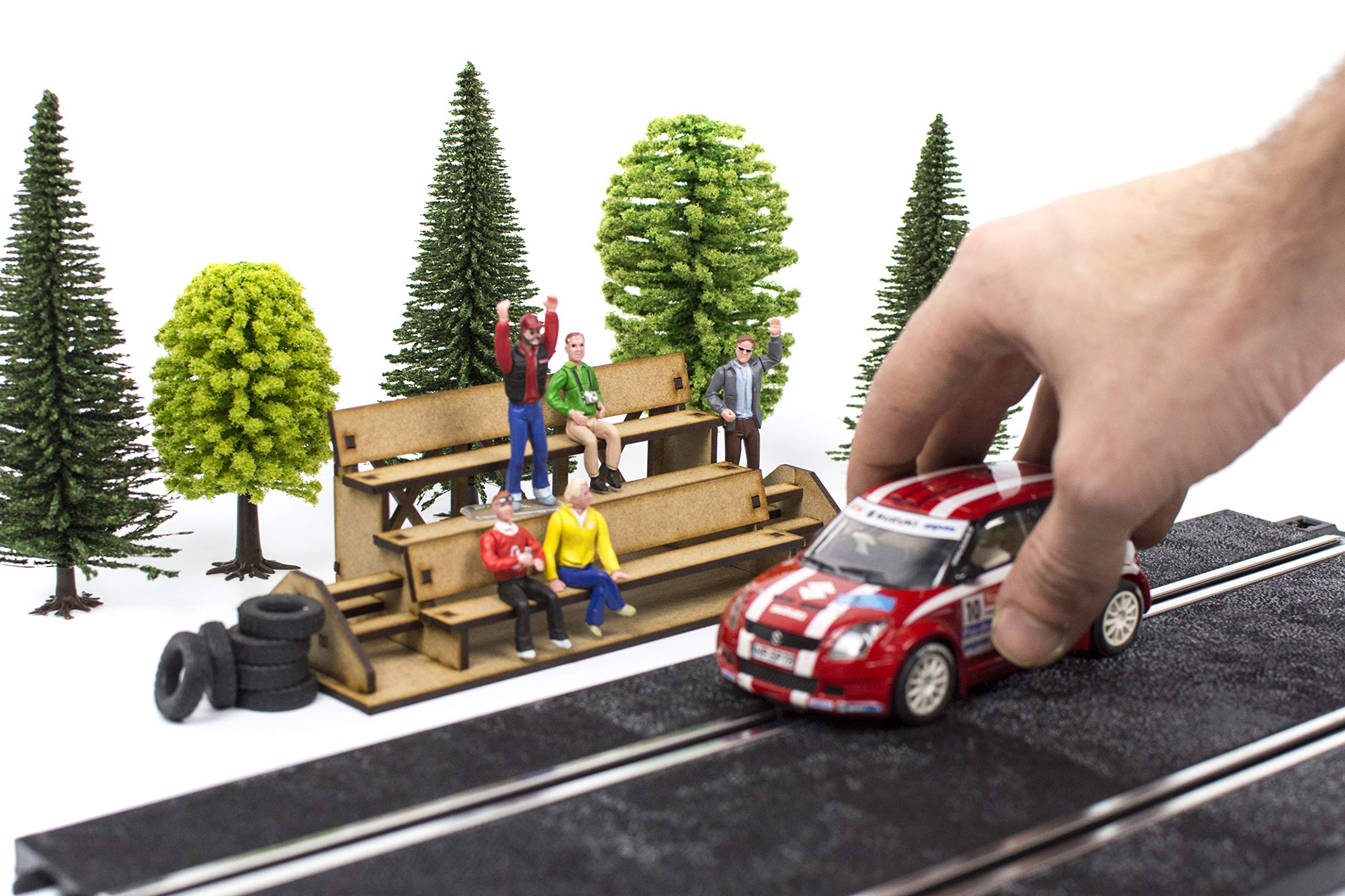
  • Print paper buildings and mount them on cardboard for realistic but budget-friendly scenery.

  • Use household items like sponges, foam, and bottle caps to build walls, trees, or barriers.

  • Repurpose LEGO or action figures for crowd scenes or pit crews.

A little creativity goes a long way—and it makes your setup uniquely yours.

6. Make It Social

Racing is better with friends—and splitting costs makes it even better.

  • Team up with friends or family to build a shared track or car collection.

  • Host casual race nights where everyone brings their own car or contributes a piece of the track.

  • Trade or swap gear with other racers to try new setups without spending more.

Community racing is where memories (and savings) are made.

7. Use Free Tools to Plan and Learn

Before buying anything new, use free resources to make informed choices:

  • Track planning software like Ultimate Racer or AnyRail helps you map layouts before committing.

  • YouTube tutorials and forums are packed with advice on tuning, maintenance, and builds.

  • Budget build guides are everywhere—many experienced racers love sharing how they made the most of what they had.


8. Watch for Sales and Discounts

Patience pays off.

  • Holiday sales, Black Friday, and clearance events can offer steep discounts on sets and cars.

  • Sign up for newsletters from hobby stores and track suppliers—they often send exclusive coupons or early sale access.

  • Check clearance bins at local toy shops or hobby stores—you never know what parts are hiding there.

Final Lap: It’s Not About the Price Tag

Mini racing is one of those rare hobbies where the thrill doesn't come from how much you spend—but from how much passion you bring. With a bit of resourcefulness, a touch of creativity, and a lot of enthusiasm, you can build a fast, fun, and fulfilling racing experience on any budget.

So start small, race smart, and remember: the best tracks are built with imagination, not just money. 🏁

Monday, June 9, 2025

DIY Track Design Tips for Small Spaces: Build Big Fun in Tight Corners

 Limited on space but big on racing dreams? You’re not alone. Whether you're living in a compact apartment, converting a spare room, or sharing space with other hobbies, mini racing tracks and Scalextric layouts can absolutely thrive in small spaces—with the right planning and a dash of creativity. Click here to know more: https://miniracing.com/

Designing a fun, challenging, and replay-worthy track in a tight area is part puzzle, part art. Here's how to make every inch count.

1. Measure Twice, Race Forever

Before you dive into designing, grab a measuring tape and get familiar with your space. Note:

  • Total usable floor or table area

  • Clearance around furniture or walls

  • Storage height (if you're building vertically or need to stow it away)

Once you know your limits, you can start designing smart.

2. Go Modular for Flexibility

Modular designs—tracks made of sections that can be rearranged—are perfect for small spaces. You can start with a basic layout and expand or alter it over time. Benefits include:

  • Easy storage and reconfiguration

  • More racing variety

  • Less commitment to a single layout

Tip: Use baseboards or foam boards as your base to keep things tidy and transportable.

3. Think Vertical: Levels and Overpasses

Adding elevation is a game changer. It increases track length without taking up more floor space.

  • Bridges and ramps add excitement and strategy

  • Use foam, wood blocks, or commercial risers for support

  • Keep gradients smooth to avoid traction loss

Not only does it look great—it feels like a full-sized race track shrunk down to fit your room.

4. Tight Turns, Big Thrills

Short on straightaways? Focus on technical corners and chicanes to keep races competitive. Consider:

  • Hairpin turns for slow-speed strategy

  • Switchbacks to challenge reaction time

  • Inner lanes for tactical overtaking

Just make sure your turns have enough room for clean exits—tight doesn’t mean impossible.

5. Foldable or Wall-Mounted Tracks

Some racers create foldable tracks that collapse flat against a wall or under a bed. Others mount tracks to a board that can be stored vertically when not in use.

  • Use hinges and lightweight materials like MDF or foam

  • Attach wheels or handles for portability

  • Label and secure loose parts for quick setup

Perfect for multi-purpose rooms or shared living areas.

6. Use Digital Racing Systems

Digital Scalextric or similar systems let you run multiple cars on a single lane, reducing the need for wide layouts.

Advantages:

  • More competitive racing in less space

  • Lane switching adds dynamic movement

  • No need to build full dual-lane loops

This tech is ideal for small but smart tracks.

7. Scenery That Works with the Space

In small areas, scenery should enhance, not clutter. Try:

  • Low-profile buildings and grandstands

  • Removable or magnetic scenery for flexible setups

  • Printed backdrops to create visual depth

Focus on strategic highlights—like a pit lane or crowd section—rather than full-scale environments.

8. Sketch It First (or Use Design Software)

Plan before you build! Sketch your layout on paper or use free software like:

  • AnyRail

  • Scalextric Track Designer

  • Ultimate Racer

These tools help you experiment with configurations that maximize your space—and reduce headaches mid-build.

9. Test and Tweak

Build your initial layout, then test it with actual cars. You’ll often find:

  • Certain curves are too tight

  • Transitions are too abrupt

  • Some sections could be faster or smoother

Track building is part science, part trial-and-error. Embrace the process.

10. Keep It Fun and Accessible

Last but not least, don’t overcomplicate. A good small-space track is:

  • Easy to set up and tear down

  • Fun to race on again and again

  • Challenging, but not frustrating

Remember, you’re building a playground—not a parking lot.

Final Lap: Small Spaces, Big Dreams

Designing a mini racing track in a small space isn’t about limitations—it’s about smart creativity. With the right design, your compact layout can deliver high-speed thrills, technical challenges, and endless replay value.

So clear that corner of the room, grab your track pieces, and start building. Because when the green light flashes, it’s not the size of the track that matters—it’s how you race it. 🏁

Tuesday, April 8, 2025

Analog vs Digital Scalextric: What’s the Difference?

For generations, Scalextric has been the go-to name in slot car racing, bringing fast-paced track action to living rooms and garages around the world. But if you're new to the hobby—or looking to upgrade your setup—you’ve likely come across two terms that might leave you scratching your head: Analog and Digital. So what exactly is the difference between them, and which one is right for you? Let’s break it down. For more information on scalextric mini racing, visit this website.

The Basics: What Is Scalextric?

Scalextric is a slot car racing system where miniature cars race around a specially designed track. Each car is powered by electricity through metal rails embedded in the track, and players control the speed using a hand controller. The magic happens with the cars hugging the track thanks to magnets, precision engineering, and gravity-defying cornering.

What Is Analog Scalextric?

Analog Scalextric is the traditional version of the game—the one many remember from their childhoods.

Key Features:

  • One car per lane: Each lane is controlled by a separate power supply and hand controller. You can only run one car per lane.

  • Simple controls: You control just the speed, making it easy to pick up and play.

  • Straightforward setup: Analog sets are plug-and-play, making them ideal for beginners or younger racers.

Pros:

  • Easier for casual play or younger racers

  • Generally more affordable

  • Lots of classic cars and track pieces available

  • Compatible with most older Scalextric sets

Cons:

  • Limited to 2 players (unless using additional setups)

  • No lane changing or overtaking unless you build multiple lanes

  • Less advanced features

What Is Digital Scalextric?


Digital Scalextric adds a whole new dimension to the racing experience by using digital signals to control the cars.

Key Features:

  • Multiple cars per lane: Up to 6 cars can run on a 2-lane track simultaneously.

  • Lane switching: Cars can change lanes with the push of a button, allowing for overtaking and blocking—just like real racing!

  • Advanced controls: Drivers can manage pit stops, fuel loads, and more with certain systems.

  • Race management systems: Includes lap counting, position tracking, and race modes.

Pros:

  • More realistic racing experience

  • Supports up to 6 racers at once

  • Strategic gameplay with overtaking and pit stops

  • Great for competitive players and racing enthusiasts

Cons:

  • Higher initial cost

  • Slightly steeper learning curve

  • Digital cars and controllers may not be compatible with analog systems

Compatibility Note

Some Scalextric track pieces work with both analog and digital systems, but digital cars won't work on an analog system unless they're converted, and vice versa. Always double-check your components before mixing systems.

So Which One Should You Choose?

It really depends on what kind of experience you're after:

  • Choose Analog if you’re looking for a simple, affordable, and nostalgic racing experience that’s easy to set up and play.

  • Choose Digital if you want a more immersive, competitive, and realistic experience with the ability to race multiple cars on fewer lanes.

If you’re just starting out, analog is a great entry point. But if you're a serious hobbyist or racing fan looking for a deeper, more dynamic experience, digital Scalextric is the way to go.

Final Thoughts

Whether you go analog or digital, Scalextric continues to offer endless fun, creativity, and the thrill of high-speed racing right at home. The key is choosing the setup that matches your play style, budget, and ambition. Happy racing!